The Manufacture of Insulated Concrete Forms: Revolutionizing Green Building Solutions
Insulated Concrete Forms (ICFs) are becoming increasingly popular in the construction industry for their energy-saving benefits. These forms blend insulation and structural integrity, responding to the rising demand for environmentally conscious building practices. As awareness of environmental impacts increases, the shift towards ICFs prompts critical discussions regarding traditional construction methods. What sets ICFs apart in the modern market? copyrightining their advantages and uses uncovers a deeper understanding of construction's evolving future.
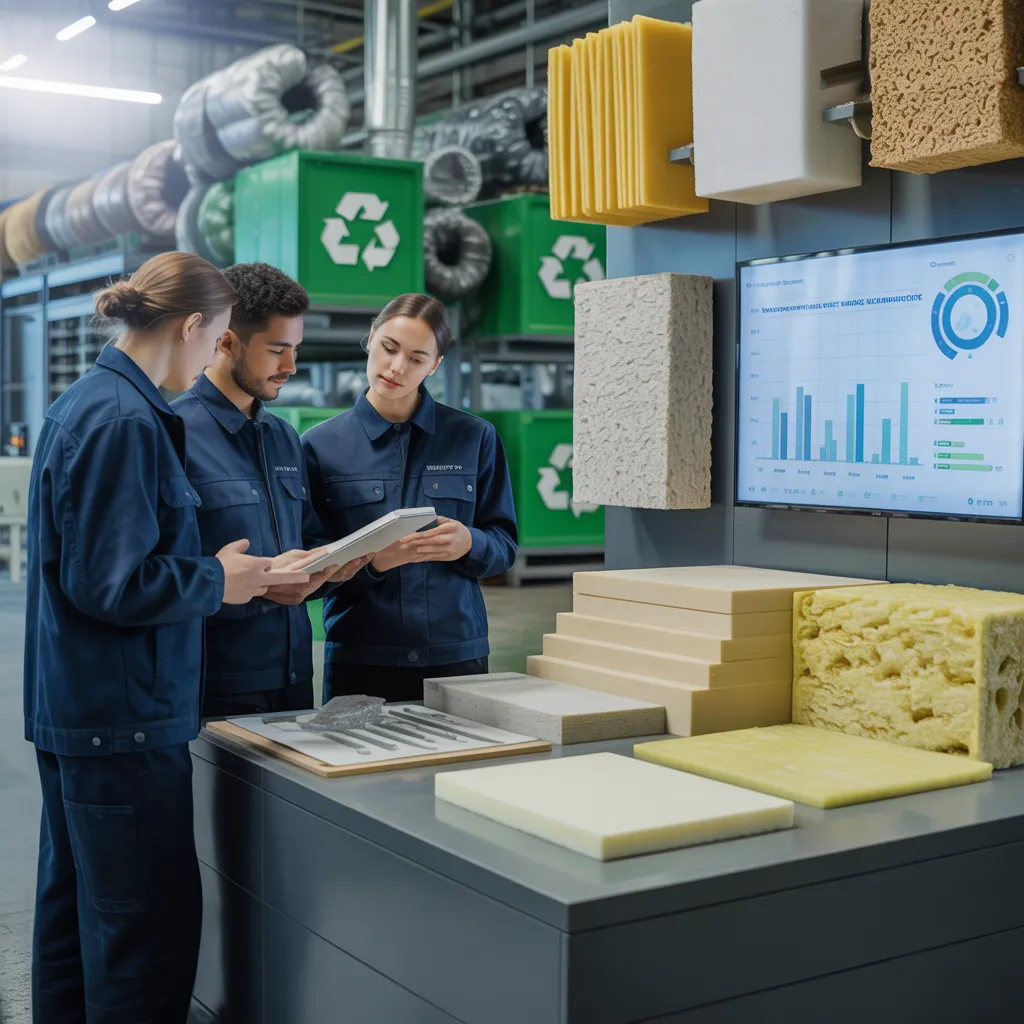
Insulated Concrete Forms Explained: A Comprehensive Overview
While the construction industry evolves towards environmentally conscious practices, insulated concrete forms (ICFs) have risen to prominence as a key solution for sustainable and energy-efficient construction. ICFs are composed of expanded polystyrene (EPS) foam blocks or panels that connect seamlessly to establish a strong framework. Concrete is poured into this framework, delivering structural durability while boosting thermal performance. The insulation properties of ICFs greatly reduce energy consumption for heating and cooling, making them a growing favorite among construction professionals.
Furthermore, ICF construction proves highly adaptable, applicable to residential, commercial, and industrial uses. The technology enables various architectural configurations, upholding aesthetic value without reducing functional value. Moreover, ICFs promote acoustic insulation and superior resilience against environmental factors. With regulations becoming stricter around energy efficiency, familiarity with ICFs is crucial for construction professionals seeking to meet modern building standards while advancing sustainable practices in the building industry.
Major Benefits of ICFs for Energy Efficiency and Sustainable Construction
As energy efficiency grows increasingly important in the construction industry, the benefits of insulated concrete forms (ICFs) stand out prominently. ICFs offer superior insulation relative to traditional building materials, significantly minimizing thermal bridging and enhancing energy performance. This leads to lower heating and cooling costs, enabling long-term savings for residential and commercial property owners.
Furthermore, ICFs are known for their durability and robustness, which greatly enhances environmentally responsible building practices. By delivering excellent sound insulation and resilience against natural disasters, ICF structures need less maintenance and reduced repairs throughout their lifespan.
Additionally, ICFs contribute to a reduced carbon footprint. Their installation process regularly utilizes eco-friendly materials, and their thermal performance lessen the need for fossil fuels. This adherence to eco-friendly principles renders ICFs a preferred solution for construction professionals committed to sustainability. In summary, the advantages of ICFs reflect a fundamental shift in favor of greener construction practices.
How Do ICFs Stack Up Against Traditional Building Methods: Key Insights?
When evaluating ICFs (Insulated Concrete Forms) against standard building techniques, significant differences in energy efficiency and construction speed emerge. Insulated Concrete Forms typically offer exceptional insulating properties, resulting in lower energy consumption over time. Furthermore, the construction process using ICFs can be faster, which may reduce labor costs and project timelines.
Energy Efficiency Benefits
How do Insulated Concrete Forms (ICFs) stack up against traditional building methods when it comes to energy efficiency? ICFs provide significant advantages, primarily due to their outstanding thermal insulation properties. The continuous insulation provided by ICFs minimizes thermal bridging, leading to decreased heat loss in winter and heat gain in summer. As a result, buildings constructed with ICFs preserve more stable indoor temperatures, which can reduce heating and cooling costs. Additionally, ICFs have a superior R-value, improving overall energy efficiency compared to traditional wood framing. Moreover, the sealed construction of ICFs reduces air leakage, further supporting energy savings. Overall, ICFs provide a innovative solution for energy-efficient construction, aligning with contemporary sustainability goals and reducing reliance on fossil fuels.
Speed Comparison in Construction
Insulated Concrete Forms (ICFs) dramatically improve the building process when measured against traditional building methods. ICFs are engineered for rapid assembly, enabling walls to be constructed in a fraction of the time demanded by traditional framing methods. The light construction of the forms eases transportation and on-site handling, lowering labor expenses and time. Furthermore, the built-in insulation removes the requirement for additional insulation application, additionally accelerating the building process. Research indicates that builds employing ICFs can be finished up to 50% more quickly than projects dive in constructed with conventional wood framing. This efficiency not only shortens project timelines but also limits disruptions caused by weather conditions, leading to more reliable scheduling. In summary, ICFs mark a major breakthrough in accelerating energy-efficient building practices.
ICF Fabrication: From Raw Materials to Completed Product
The fabrication of ICFs (Insulated Concrete Forms) commences with a thorough choice of base materials, which directly impacts their performance and sustainability. Grasping the production techniques utilized is necessary for comprehending how these components become the finished product. This methodology not only influences the effectiveness of the building process but also contributes to the total energy performance of residential and commercial buildings.
Raw Material Procurement Process
Selecting raw materials is a vital step in the production of Insulated Concrete Forms (ICFs), affecting both the structural soundness and energy effectiveness of the final product. The primary components typically include polyurethane or high-density polystyrene for heat insulation and concrete for structural durability. The type of insulation component determines thermal efficiency, while the concrete mixture impacts structural longevity and strength. Furthermore, incorporating sustainable and renewable materials is gaining greater significance, aligning with ecological guidelines and market demands. Material quality assurance during the selection process is critical, as substandard materials can cause increased energy costs and structural failures. As a result, a detailed evaluation of cost-effectiveness, material properties, and environmental impact is essential to guarantee peak performance and longevity in Insulated Concrete Form applications.
Production Techniques Overview
Efficient production techniques are essential for transforming raw materials into high-performance Insulated Concrete Forms (ICFs). The manufacturing process typically begins with the selection of quality raw materials, including polystyrene foam and concrete aggregates. These components are subjected to accurate mixing and molding procedures to establish the form's structure. Advanced automated systems regularly perform an essential role in guaranteeing consistency and pace, improving overall manufacturing output.
After molding, the structures are put through curing methods that help the concrete develop strength while the insulating properties are preserved. Quality standards are enforced throughout the production to satisfy industry requirements. As a result, these sophisticated processes contribute to the durability and energy efficiency of ICFs, positioning them as the leading option in today's construction industry.
Revolutionary Applications of ICF Technology in Current Building Projects
Transforming modern construction, Insulated Concrete Forms, commonly known as ICFs, have emerged as a highly adaptable solution for a diverse array of building applications. Their applications extend beyond standard home construction to commercial structures, schools, and even structures built to withstand disasters. ICFs are particularly effective in energy-efficient designs, offering superior insulation and thermal mass, which improve the conservation of energy.
Additionally, the straightforward nature of construction allows for accelerated construction timelines, making ICFs well-suited for projects that demand quick turnarounds. Their inherent robustness and resilience also result in enduring structures, reducing maintenance costs over time.
Moreover, ICFs are being increasingly utilized in eco-friendly design projects, aligning with green building standards by minimizing waste and improving energy performance. Modern architectural designs employ ICFs to create unique shapes and layouts, illustrating their design potential. With the ongoing evolution of the construction sector, ICFs remain at the forefront of redefining construction potential, establishing themselves as vital to contemporary energy-efficient construction.
Advancing Trends in Insulated Concrete Forms Technology
As the construction landscape evolves, advancements in Insulated Concrete Forms (ICFs) technology are poised to reshape building practices. Upcoming developments point to a transition toward superior energy efficiency through upgraded insulation materials, including aerogels and bio-based composites. Such developments aim to lower energy consumption without compromising structural integrity.
In addition, the inclusion of intelligent technology into ICFs is foreseen, allowing for continuous energy monitoring and automated climate control systems. This fusion of technology not only enhances comfort but also promotes environmentally responsible building practices.
Moreover, manufacturers are exploring prefabricated modular designs that streamline the construction process, reducing waste and labor costs. This shift is in harmony with the expanding requirement for fast and efficient construction solutions in the face of rapid urbanization.
Commonly Asked Questions
What Are the Ecological Effects of ICF Manufacturing?
The ecological consequences of ICF manufacturing encompass resource extraction, energy consumption during manufacturing, and potential emissions. Nevertheless, their superior energy efficiency during construction can help reduce long-term environmental impacts, promoting sustainable building practices and reducing carbon footprints.
How Do ICFS Perform in Extreme Weather Conditions?
ICFs exhibit exceptional capabilities in harsh weather environments, offering superior structural integrity and insulation. Their durability helps resist damage from heavy snow, extreme temperatures, and high winds, rendering them ideal for diverse climates and harsh environments.
Are There Specific Building Codes for ICF Structures?
Indeed, particular building codes governing ICF buildings have been established and differ across regions. These regulations encompass energy efficiency, safety, and structural integrity, confirming alignment with local requirements while encouraging superior performance in a wide range of environmental conditions.
What Is the Life Expectancy of an ICF Building?
An ICF structure usually has a lifespan of between 70 and 100 years, based on the quality of construction and ongoing maintenance. Its durability is enhanced by protection against weather, pests, and fire, ensuring long-term structural integrity.
Can ICFS Be Recycled at the End of Their Life?
Insulated Concrete Forms (ICFs) can absolutely be recycled when they have completed their useful lifespan. A number of methods are available to repurpose these materials, supporting sustainability and minimizing waste in construction and demolition processes.